Official place-names
Where was that in Roman Britain?
Camulodunum is Colchester. Londinium is London. Aqua Sulis is Bath, in the spelling English Heritage uses on its ingenuity page. The table stays in view; the stories sit underneath.
Where was that in Roman Britain?
These are official English Heritage pairings, kept in the spelling each page uses. Aqua Sulis is the form on the ingenuity page.
| Roman name, as English Heritage writes it | The place today |
|---|---|
| Camulodunum | Colchester |
| Londinium | London |
| Verulamium | St Albans |
| Aqua Sulis | Bath |
| Lindum Colonia | Lincoln |
| Coria | Corbridge |
| Isurium Brigantium | Aldborough |
York, Chester and Caerleon appear on the same official introduction as the modern names of the three legionary bases, and are listed that way on the places page.
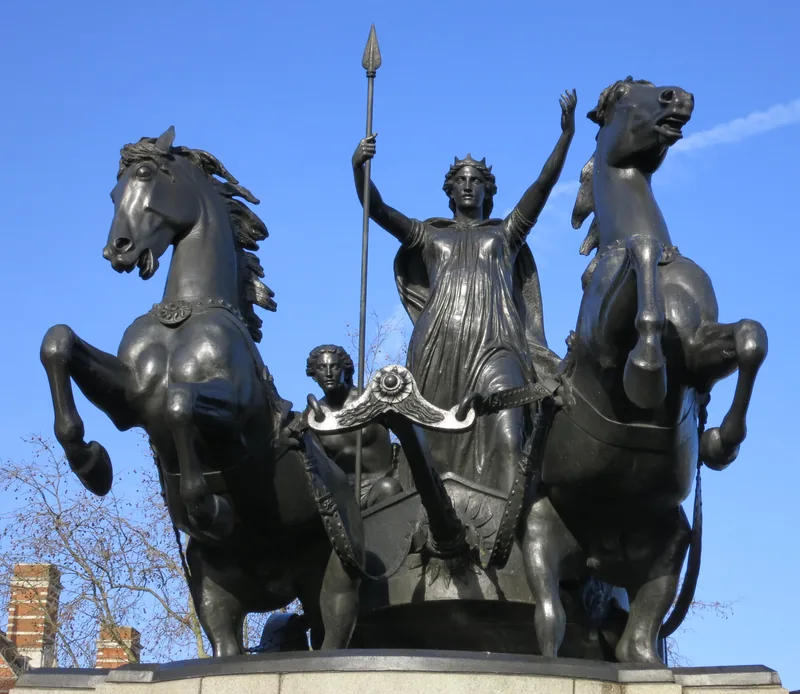
Three names, and a revolt
English Heritage’s introduction does not leave the first three pairings as a dry list. “In AD 60, Boudica, the queen of the Iceni tribe, led a revolt, destroying Camulodunum (Colchester), Verulamium (St Albans) and Londinium (London).” [source]
Those towns had already changed rank. “Camulodunum was initially the province’s main town, though Londinium quickly replaced it.” There was “never a massive influx of ‘Romans’.” The people living in Britannia “were mostly the descendants of the pre-Roman tribes, and they lived and worked mainly in the countryside.” [source]
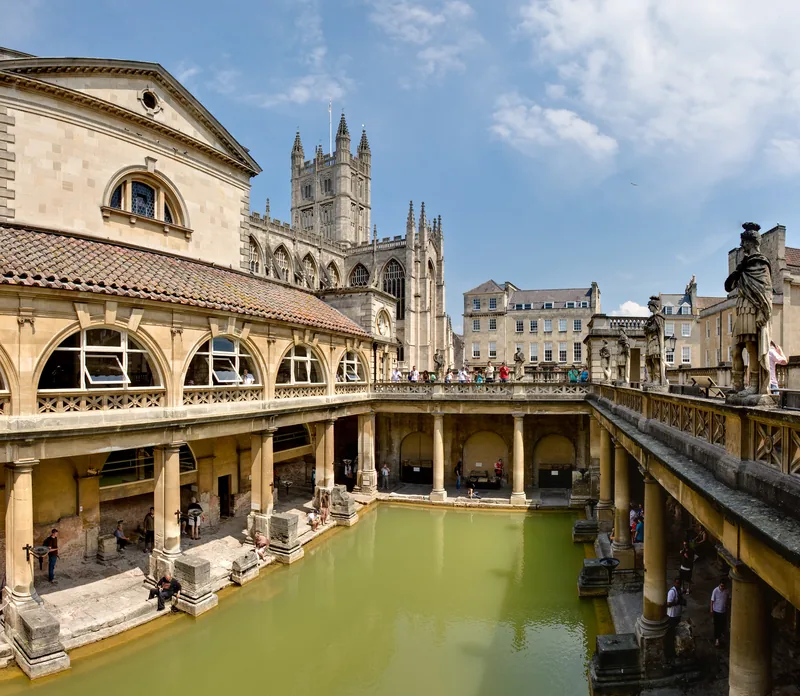
Towns you can still walk
The ingenuity page is the official list for several of the later names: “Londinium (London), Aqua Sulis (Bath) and Lindum Colonia (Lincoln) are all examples of Roman towns that still exist as modern towns, whilst Coria (Corbridge) and Isurium Brigantium (Aldborough) are Roman towns you can visit today.” Aqua Sulis is the spelling on that page, and this site keeps it. [source]
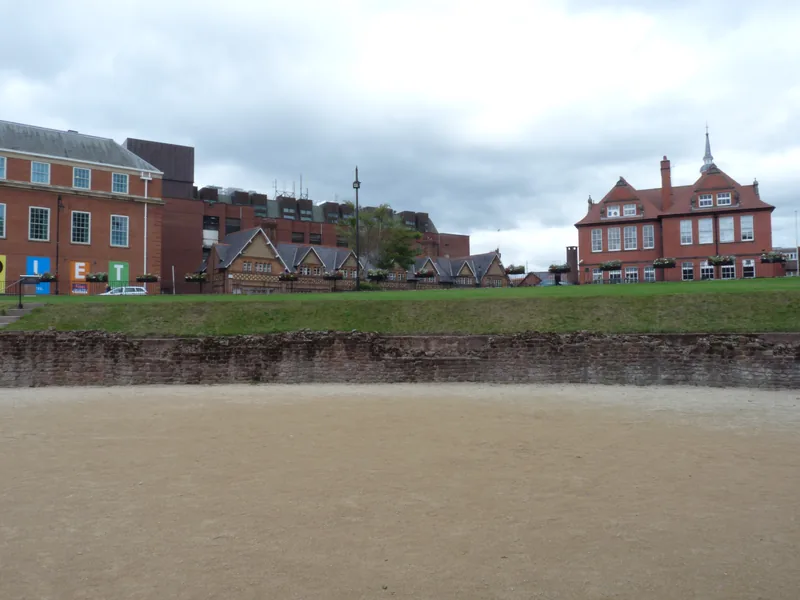
English Heritage’s introduction names the three permanent legionary bases in modern form: “permanent bases for three legions – heavily armed infantry units of 4,800 men, formed of Roman citizens – at Caerleon (in south Wales), Chester and York.” Those three appear here under the modern names the official page uses. [source]
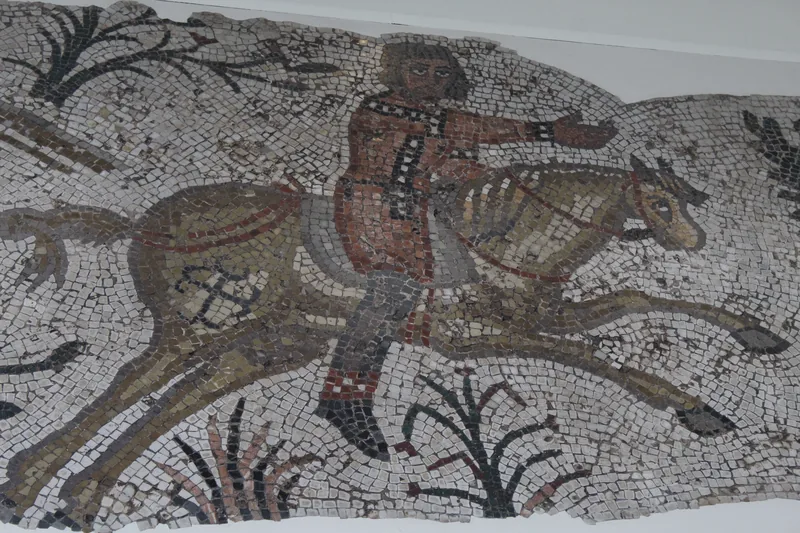
Coria, and a capital of the hill people
Corbridge, English Heritage’s history of the site says, “developed into the most northerly town in the Roman Empire” on a later visit page, and on the history page it is “one of only two substantial towns in the Hadrian’s Wall zone.” The remains “are largely those of a Roman town, 2½ miles south of Hadrian’s Wall, which developed after AD 160 around a base for legionary soldiers.” That replaced “a succession of forts on the site, built from about AD 85 where one of the main routes northwards crossed the River Tyne.” [source]
Aldborough “was once the prosperous Roman town of Isurium Brigantum, which began as a trading settlement around AD 70, and became the civilian ‘capital’ of an extensive region of north Britain from about AD 120 to about AD 400.” The name “reflects the town’s status as the civilian capital of the Brigantes tribe,” and “Brigantes, meaning ‘the hill people’, was a term given by the Romans to the people who occupied most of northern England.” [source]
Keep exploring
- Hadrian’s Wall — the frontier those northern towns supplied.
- Towns and roads — Watling Street, Dere Street, and a coin that could be spent in Turkey.
- The conquest — how those names enter the official story.
Enjoyed this Roman desk?
No pop-ups. No intrusive advertising. Just interesting stuff. A little support helps the next ages.im site get built.